

BUILDING RESILIENCE AND CAPACITY
The human brain is wired for survival. But, we must feed it with information to assist in the decision making process during a crisis. This information needs to include a variety of circumstances with a variety of solutions. By doing this we enhance our ability to process information and circumstances which allows us to achieve our ultimate desired outcome of surviving a critical incident. To fully capture what this means, we must understand that this does not happen by accident. It occurs as a result of ongoing and committed conditioning to developing life skills. Consistent practice of developing a survivor’s mind-set will enhance your situational awareness, your self-awareness and your environmental awareness so that you may have better informed awareness. This in-turn assists your brain in functioning at peak capacity
WHAT DOES RESILIENCE REALLY MEAN
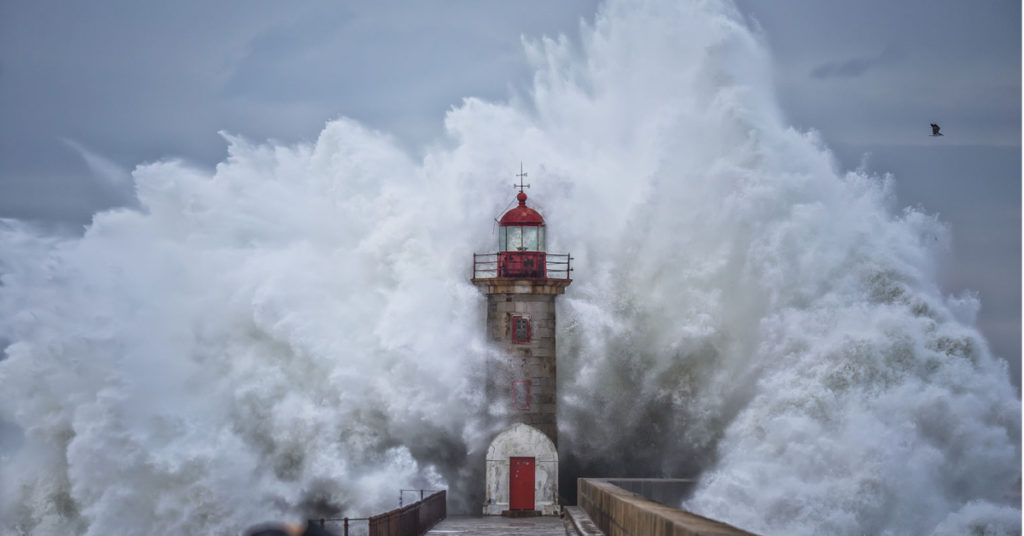
Resilience is the idea of being able to emotionally and physically survive in the aftermath of a crisis to a new normal that is healthy.
Traditional definitions state that resilience is the capacity to recover quickly from difficult situations. It’s a toughness; the ability of being able to spring back into shape, its elasticity.
Perhaps the true definition of resilience is the ability to recover from setbacks, adapt well to change and to keep going in the face of adversity.
Research shows that a highly resilient person tends to possess three common traits:
1. Acceptance of reality
2. A sense of purpose
3. Flexible thinking
· Acceptance is learning to see reality for what it is.
· A sense of purpose is the power of clarifying your highest value (when you are clear about your core values, your driver values and your purpose, you will never lack for motivation and strength).
·Flexibility is cultivating strong beliefs loosely held. Resilient people have the ability to be flexible when circumstances change.
Rather than becoming paralyzed by events, circumstances or resorting to wishing and complaining that things were different, those who are resilient set about to change the one thing they actually have control over, that is themselves. They choose to adapt to their difficulties rather than give up or collapse. For one to truly achieve success you must check your default reactions to make sure they reflect reality, not an unrealistic wish or unfounded fear.
These three core components address the “what” of resilience. To truly understand what the meaning of resilience is we must look at the “how” of resilience.
CAPACITY
The key component in the “how” of resilience is “capacity.” Capacity is defined as the ability to use and understand information and to be able to make a decision and to communicate the decision.
It’s understanding that the outcomes can be greater if you allow yourself the capacity to learn and this in turn creates possibility and flexibility.
Capacity is all about having a willingness to engage; it’s a mindset and we must be willing participants.
If a person is not willing to build internal resources, build knowledge, and participate in crisis rehearsal and practice drills they will never be able to achieve true capacity.
Capacity is about developing both mental and physical rehearsal drills and maintaining them to produce brain scripts that the brain can access during a crisis. This takes energy, self- tenacity and self-vigilance.

ACTIVE CRISIS SITUATIONS AND ACTIVE SHOOTERS / ACTIVE KILLERS
When it comes to an active crisis situation, such as an active shooter or an active killer, in order to mitigate the “freeze effect” from fear we must build capacity for resilience through preparedness while learning to utilize the “startle flinch” effect to our advantage.
By building and maintaining our capacity for preparedness, when a crisis occurs we have a greater propensity to avoid the “freeze effect” from the “startle flinch effect.” This in turn allows us an opportunity and ability to act when we are triggered by the “startle flinch effect,” but only if you have practiced and rehearsed.
In other words, we can use the startle flinch effect as a launch pad to take an action. When we take action during an event we contribute to our own emotional survival in the aftermath of an event. This in turn builds greater capacity for physical survival.
Remember, the body cannot go where the mind has not been. This is why crisis rehearsal is a vital component in your survival of a critical event or crisis situation. In a crisis we will not rise to our expectations but rather, we will fall to our lowest level of practice. It’s like practicing for a game. If you don’t practice, you don’t perform as well and in some cases you cannot perform at all. The question here is, do you really want to gamble with your safety and survival when it comes to developing and maintaining your life-skills?
This is all about the biology of a human being. Nothing more and nothing less. So as human beings it is our duty to understand our own biology and to manage it for our survival. Best practices for safety and survival management include both mental and physical rehearsal, ongoing and reoccurring practice.

WIRED FOR SURVIVAL
In order for us to benefit from crisis rehearsal we must have a realistic understanding of the reality of these situations. We must be proactive as active participants in our own mental crisis rehearsal (When/Then Thinking) and in our physical practice of gross motor skills that follow the natural path of our own internal defense mechanisms.
Our brains and our bodies are wired for survival. The sooner we recognize and accept this fact, the sooner we can adapt our present brains into allowing us to utilize how we are wired to enhance our safety and awareness. When we allow ourselves to do this there is a calmness and peace that comes with the knowledge. It’s a sort of an unconscious competence that is achieved.
Learn to develop your “startle “flinch” effect and your gross motor-skills into mechanisms for survival. Most people do not have the time or desire to develop ongoing martial arts skills or self-defense skills. So we must learn to develop and maintain what our bodies and our brains naturally provide for us to survive.
FINAL THOUGHTS
Resilience is really about building and maintaining capacity so that we can thrive and achieve both physical and emotional survival during and after a crisis or critical incident. Hopefully, you will never have to use your capacity, but it’s like charging a battery. If your battery is charged then when you need to use it, it will be there for you. But if it is not charged then you are out of luck.
Do you want to be out of luck in that moment of need? What will you do to begin and maintain your resilience training for a crisis?
FOR MORE INFORMATION ON THIS TOPIC AND FOR TRAINING CONTACT US
Recent Comments