

by: Michael C. Kimball
Preparing Our Children for Situational Awareness and Safety During the Holiday Season – Building Safety Rituals
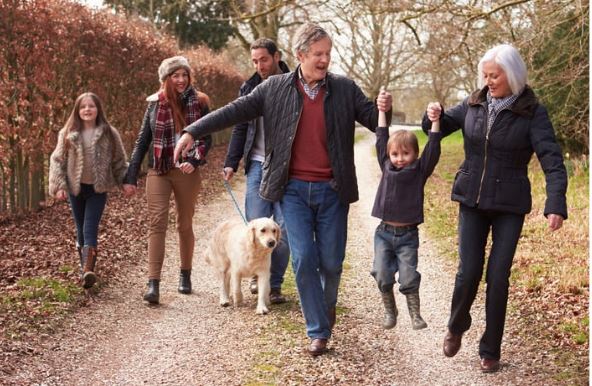
The holiday season is a time of joy, togetherness, and celebration, but it also comes with unique safety challenges. From crowded shopping centers to festive gatherings, children are often in environments that demand heightened situational awareness. Ensuring their safety while fostering resilience and confidence can empower them to navigate these situations with poise. This article outlines practical strategies for helping children develop situational awareness and safety skills, emphasizing their importance at school, home, outdoor play, and social events.
Building Resilience Through Capacity
A critical outcome of involving children in safety planning is the development of resilience—the ability to recover from challenging situations and maintain emotional well-being. When children understand safety measures and are active participants in them, they feel more in control and capable of managing emergencies.
Research from the National Association of School Psychologists (NASP) highlights that children draw confidence from knowing that trusted adults have safety plans in place and practice them regularly. This assurance builds trust and creates a foundation for children to develop coping mechanisms that can reduce the long-term psychological impacts of crises.
Practical Tips for Holiday Safety
At School
- Empower Students Through Drills: Schools should integrate options-based responses into their safety protocols, allowing students to practice diverse scenarios. Just as with fire drills, rehearsing active crisis responses such as evacuation or lockdown builds muscle memory.
- Reinforce Situational Awareness: Encourage children to pay attention to their surroundings—who is nearby, exit locations, and unusual behaviors. These skills can be taught through age-appropriate, non-traumatic activities like games or role-playing and then reinforced through home-based discussions and activities.
- Leverage Peer Support: Pair younger students with older buddies to ensure everyone feels supported and safe during transitions or emergencies.
At Home
- Discuss Safety Plans: Families should develop and discuss home safety plans, including what to do in case of a fire, an intruder, or an emergency requiring evacuation.
- Teach “When/Then” Thinking: Instead of “If/Then,” which can cause anxiety, teach actionable responses, e.g., “When the doorbell rings, Then check who it is before opening it.” When/Then thinking creates an air of “let’s do” and not a hesitant, unsure state of mind. Preparing with When/Then thinking provides confidence in situations that otherwise would create insecure thoughts and feelings.
- Maintain Awareness Online: During the holidays, online safety is as important as physical safety. Teach children to avoid sharing personal information or holiday travel plans on social media.
Playing Outside
- Define Boundaries: Clearly establish safe play zones, and teach children to recognize landmarks and identify trusted adults they can approach for help.
- Buddy System: Encourage children to stay with a friend or sibling when playing outside or visiting public parks.
- Recognize Unsafe Situations: Educate children on identifying potential threats, such as an unfamiliar individual behaving unusually or unsafe play equipment.
At Social Events
- Set Check-In Points: During parties or large gatherings, establish a family meeting point and set regular times for check-ins.
- Teach Exit Awareness: Help children identify multiple exits in venues like movie theaters or party halls.
- Foster Communication: Make sure children know how to contact you if they feel unsafe or lost. Provide them with simple, clear steps for reaching help, such as approaching a uniformed official.
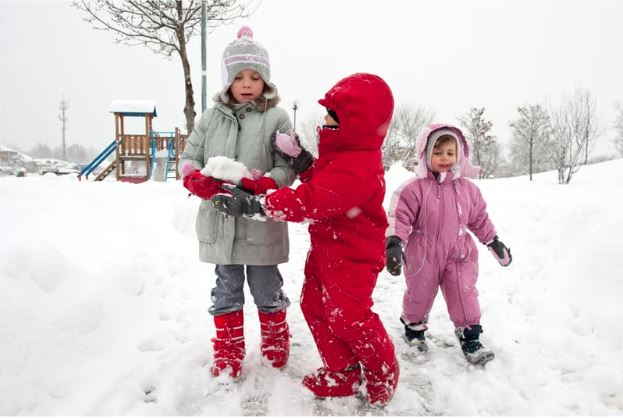
Safety Circles and Proxemics
Teaching children about safety circles empowers them to set personal boundaries and recognize when someone is too close for comfort.
Using the concept of “proxemics” (the study of personal space), children can visualize an invisible circle around them, with different zones for strangers, acquaintances, and trusted individuals. Encourage them to assess whether a person’s behavior feels safe before allowing them to enter their personal space. For example, if someone approaches quickly, ignores boundaries, or makes them feel uneasy, they should step back, seek distance, or alert a trusted adult. Practicing this skill through role-play helps children confidently maintain their safety circles in real-life situations.
Breathing and Situational Awareness for Safety
Teaching children to use deep breathing and situational awareness helps them stay calm and focused in potentially unsafe situations. Simple breathing techniques, such as the “4-4-4” method (inhale for 4 seconds, hold for 4 seconds, exhale for 4 seconds), can reduce anxiety and sharpen their senses. Pair this with situational awareness by encouraging them to observe their environment—who is nearby, what they hear, and where exits are. This combination not only helps children manage stress but also heightens their ability to notice unusual or unsafe conditions, empowering them to respond thoughtfully and confidently.

Scanning and Situational Awareness
Teaching children to pause and scan their surroundings is a simple yet powerful habit that enhances their situational awareness and safety. By taking a moment to observe who and what is around them, children can identify potential risks, locate safe exits, and recognize trusted adults. This practice helps them develop a proactive mindset, making them less likely to be caught off guard in unfamiliar or changing environments. Regularly incorporating this habit into daily routines, such as while walking to school or entering a new space, builds their confidence and ability to make informed decisions in any situation.
9-1-1 and First Responders
Teaching children about the power, importance, and responsibility of calling 9-1-1 empowers them to act decisively during emergencies. They should understand that calling 9-1-1 connects them to trained first responders who can provide immediate help. Emphasize that it’s okay to call if they’re unsure, as hesitation can lead to preventable tragedies. At the same time, children should learn that 9-1-1 is for true emergencies, like fires, medical issues, or dangerous situations, and not for pranks or non-urgent matters. By instilling confidence and setting clear boundaries, we help children feel prepared to act responsibly and potentially save lives when seconds count.
Evidence Supporting Safety Education
Studies show that children who participate in safety drills and training are better equipped to respond effectively during emergencies. For example:
Case Study 1: Student-Led Evacuation Saves Lives
Scenario: In 2013, an elementary school in Moore, Oklahoma, faced a devastating tornado. During the storm, a group of fourth-grade students, led by a safety-conscious classmate, implemented the evacuation and safety measures they had practiced during drills.
Actions Taken:
One student, recognizing the severity of the situation, helped guide her peers to an interior room away from windows and instructed them to crouch under desks and cover their heads with their arms. She reminded others to stay calm, echoing what had been practiced during drills.
Outcome:
The quick thinking and leadership of this student helped her classmates avoid serious injury. The school’s emphasis on regular safety drills and empowering students to take charge during emergencies played a key role in the positive outcome.
Lessons Learned:
This case highlights the importance of rehearsing safety measures and teaching children to take initiative when adults may not be immediately available to guide them.
Case Study 2: Child’s 9-1-1 Call Leads to Swift Rescue
Scenario: In 2017, a 10-year-old boy in Phoenix, Arizona, noticed his younger sibling struggling to breathe after accidentally swallowing a small toy.
Actions Taken:
The boy immediately called 9-1-1 and calmly explained the situation to the dispatcher. While waiting for paramedics, he followed instructions to monitor his siblings and keep them calm. His prior knowledge of 9-1-1’s purpose and how to clearly communicate an emergency ensured a quick response.
Outcome:
First responders arrived within minutes and successfully dislodged the toy, saving the child’s life. The older sibling’s confidence and understanding of when and how to call for help were critical to the rescue.
Lessons Learned:
This case underscores the power of teaching children how to recognize emergencies, contact 9-1-1, and provide clear information. Quick action can prevent tragedies.
Case Study 3: Middle Schooler Identifies and Reports Threat
Scenario: In 2018, a middle school student in Florida noticed a classmate acting suspiciously, making concerning statements about harming others.
Actions Taken:
The student reported the behavior to a trusted teacher, who immediately involved the school’s threat assessment team. Authorities investigated and discovered that the classmate had a weapon hidden in their bag, preventing a potential tragedy.
Outcome:
The student’s situational awareness and willingness to report their concerns enabled the school to intervene before any harm occurred.
Lessons Learned:
This case demonstrates the importance of teaching children to trust their instincts, recognize warning signs, and report suspicious behavior to trusted adults.
These case studies illustrate how children’s training in safety measures, situational awareness, and emergency response can save lives and protect others. Regular practice and education help instill the confidence and skills needed to act effectively in critical situations.
Safety Without Fear
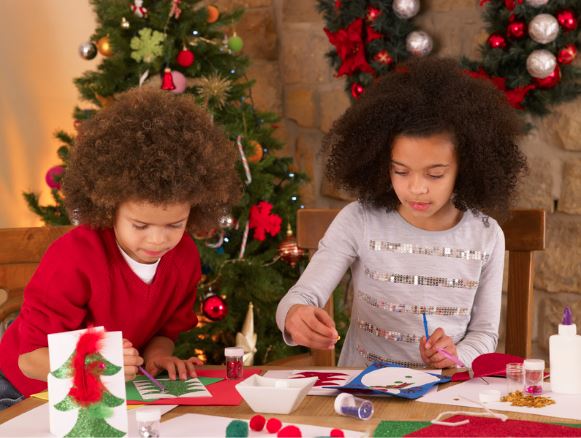
Safety training need not induce anxiety. Programs like the We’ve Got Your Back ™ initiative provide trauma-informed, inclusive methods that teach situational awareness and crisis responses in engaging, age-appropriate ways. Games, project-based learning, Home-based projects, 5/15 exercises and discussions, and scenario practice can help children internalize safety steps without fear.
Prepare for Success
Presetting and pre-staging for success during a crisis ensures that children and families are prepared to respond quickly and effectively and can have peace of mind.
By familiarizing everyone with the location of all exits and entrances, first aid kits, fire extinguishers, and other safety resources, families create a shared understanding of what to do during an emergency. For example, identifying multiple escape routes in a home or public space ensures that everyone can evacuate safely if a primary exit is blocked. Knowing where the first aid kit is stored allows for prompt medical care, and being aware of fire extinguisher locations can help contain small fires before they escalate.
These proactive steps build confidence and ensure that everyone is ready to act when seconds count.
Conclusion: A Season of Safety and Peace
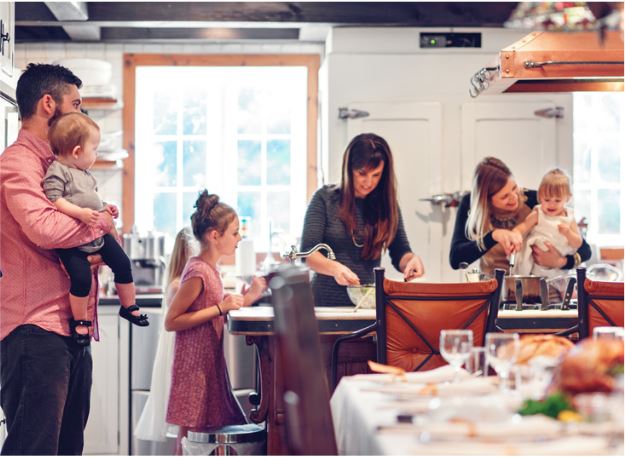
The holiday season offers an opportunity to teach children situational awareness and reinforce safety habits in a context that feels natural and celebratory. By preparing children to recognize risks, act decisively, and rely on practiced safety plans, we help them develop resilience and confidence through safety rituals.
Involving children in regular rehearsals—whether at school, home, or public venues—empowers them to become active participants in their own safety. These skills not only protect them during the holidays but also build the foundation for a lifetime of resilience, confidence, and preparedness.
By prioritizing safety as an integrated part of our celebrations, we ensure a holiday season that is not only joyful but also secure, allowing families to focus on what matters most—spending time together in peace.
_____________________________________________________________________________________________________________
About the Author: Michael C. Kimball has over 30 years of experience as a sworn law enforcement officer in California. Michael helped to co-develop the Monterey Peninsula Regional S.W.A.T. team and was both a Tactical Commander and later the Logistics Commander for the Team. Michael Co-Authored one of the
State of California’s First Active Shooter Protocols in the early 1990s and again after the Columbine
massacre.
In 1989, Michael founded his company, and in 2000, his company formally became M.C. Kimball and
Associates, LLC. Michael is a Nationally Certified Instructor in Option-based Training to Mitigate Active Killers and has traveled nationwide with Homeland Security since 2010, conducting train-the-trainer for School Districts, Hospitals, Businesses, Churches, and the Hospitality Industry in English and Spanish.
In 2021, Michael and his executive team of experts developed the We’ve Got Your Back ™ Program (A Team Approach to School Safety), a trauma-informed, inclusive safety training program for students. In 2023, the parent company, M.C. Kimball and Associates, was incorporated into M.C. Kimball and Associates, Inc. and the We’ve Got Your Back™ Program website was established into www.wetrainsafety.com.
Recent Comments